
Psalm 100 – A Psalm of Praise
Praise psalms generally conform to a similar structure.
- Call – The call to praise (The worshiper is called and calls to God)
- Content – The content of the praise. (To God – What shall we praise Him for?)
- Cause – The motivation for praise (About God – Why praise Him?)
- Challenge – The responsibility of the worshiper (Actions toward God- How should I act?)
- Praise and Worship are not words alone!
- Confession – The response of the worshiper.
Why this psalm?
This is a favorite psalm of thanksgiving, particular verse 4 “Enter His gates with thanksgiving.” One may ask, then how is this related to the celebration of the New Year? The content of Psalm 100 corresponds with the Feasts of The LORD and we will look at how it parallels with the Jewish New Year and the Feast of Trumpets.
THE CALL TO PRAISE
The opening phrase gives the first clue to the purpose of this psalm.. The KJV translation is preferred “Make a joyful noise.” While this has been the personal theme verse for people that sing unto the Lord, but cannot carry a tune in a bucket. This is not a musical term.
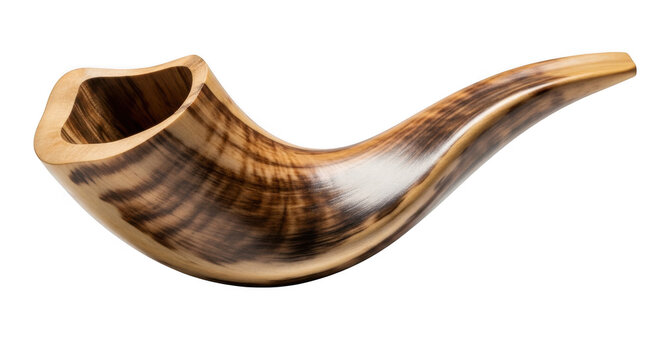
Another translation might read, “Sound the trumpet!” Psalm 81:1 begins with the same phrase, but in verse 3 clarifies this as the trumpet announcing the feast of the New Moon. The blast of trumpets signals many events in Scripture. It signals the start of special days as in Leviticus 25:8 – signaling Yom Kippur – the Day of Atonement. It signals the coming of the Lord in 1 Corinthians 15:52 with the dead being raised at the sound.
Leviticus 23 provides a description of gatherings and feasts. There are seven described. The first is the weekly Sabbath. The other six occur in two groups. The first three begin with Passover in the first month. The second group begins with the Feast of Trumpets that occurs on the first day of the seventh lunar month of the Jewish calendar. This begins the Civil New Year. It occurs in the seventh month of the Ecclesiastical Year. Believe or not, there are two other “New Year” days in the Jewish calendar (Kings and Trees).
Leviticus 23:23-25 provides the time for this celebration. A Jewish educational website explains that Rosh Hashanah celebrates the creation of man rather than the first day of creation when G-d is alone in the world. On the sixth day man is created to rule over creation and have fellowship with God. This is important in understanding this psalm.
BACK TO PSALM 100
Psalm 100:1 Make A Joyful Noise describes the blast of a trumpet.
It consists of but a single clause, and, as Delitzsch says, is like the signal blast of a trumpet.
It rings out a summons to “all the earth,”
Psalm 100:1 “all the lands” (all ye lands – KJV) is the best translation. There are some commentators that limit this to Israel based on 1:3 “we are His people”. The text does not agree with that view. The alarm is sounded to call all nations to gather unto the Lord. Revelation 5:9 refers to the redeemed being from every nation and Revelation 14:6 declares that the gospel is preached to every nation.
- In day six of creation, man is created, not Israel.
- Genesis 3:15 Redemption is promised to ALL MANKIND through a man, the seed of the woman.
- Genesis 18:18 Redemption is promised to all Nations through Abraham’s offspring.
- Isaiah 27:13 A trumpet signals the conversion of Gentiles.
CONTENT OF PRAISE
Psalm 100:3 He hath made us!
This corresponds with Feast of Trumpets – remembering the creation of man. All men everywhere owe praise to the Lord who created them.
Acts 17:30 says the God call “all men every where to repent”.
1 Corinthians 1:2 Paul calls upon all everywhere that have called upon the Lord.
Psalm 100:3 We are His People
- This refers to being the LORD’s covenant people.
- John 1:12 We that receive His Son are given the authority to become His children.
- Galatians 3:26 For you are all sons of God through faith in Christ Jesus.
Psalm 100:3 We are His Sheep
“His Sheep” refers to accepting total dependance upon him
- Jesus laid down His life for His sheep (John 10:15)
- Jesus said, that He had sheep not of the nation of Israel / We Gentiles (John 10:16)
- The true sheep of the Lord Jesus, hear His voice (John 10:27)
CAUSE FOR PRAISE (MOTIVATION)
Psalm 100:3 The LORD He is Go-d
Psalm 100:5 provides three motivations for praise.
- The Lord is Good (His Character)
- His mercy never ends (His Heart – Loyal Love)
- Mercy and Truth are mentioned together several times (Psalm 26:3)
- His truth endures forever (His faithfulness and His revelation)
CONFESSION OF PRAISE
Psalm 100:4 There are three words that refer to the confession of the worshiper.
- Thanksgiving (twice) – To respond to His attributes with gratitude.
- Praise – To proclaim the attributes to Him (literally – hold out the hands)
- Bless – To proclaim the attributes about Him (as a Eulogy)
THE CHALLENGE OF THE WORSHIPER
Psalm 100:2,4 provides three challenges for the worshiper
- Serve the Lord with gladness
- Shout for Joy (reference to sounding a trumpet blast)
- Sacrifice – Enter His gates with a thank offering
- No longer limited by the “court of Gentiles” (Ephesians 2:14)
- Offer the sacrifice of your lips giving praise (Hebrews 13:15)
SUMMARY
Announce the News: Sound Your Trumpet!
- Announce the news to people everywhere!
Announce the invitation of the LORD
- Come into His presence!
- He is not “a god” but we claim Him as our G-D.
- Recognize that we have a responsibility to G-d as our creator.
- The LORD is our rightful owner.
- Come under the LORD’s protection!
- “His People” refers to a covenant relationship with Him
- Our covenant relationship is through Christ – His Son
- John 1:12 – If we receive Him, we have the authority to become G-d’s children..
- “His Sheep” refers to accepting total dependance upon him
- Jesus laid down His life for His sheep (John 10:15)
- Jesus said, that He had sheep not of the nation of Israel / We Gentiles (John 10:16)
- The true sheep of the Lord Jesus, hear His voice (John 10:27)
- “His People” refers to a covenant relationship with Him
Accept the Challenge!
- Serve the Lord with gladness
- Shout for Joy
- Bring a thank offering to the LORD
And finally,
Listen for the Last Trumpet!
His Coming is soon!
Happy New Year
(c) Steve Slusser 2025
